

Many overseas merchants have reported that when exporting general cargo IoT equipment to China, they often cause the goods to be stranded at the port due to unfamiliarity with China's port customs clearance rules and omissions in document preparation, resulting in additional container detention fees. Combined with the practical experience of freight forwarding, this article will focus on Shenzhen Shekou Port to sort out the port's exclusive practical points for customs clearance of general cargo IoT equipment to help you avoid common problems.
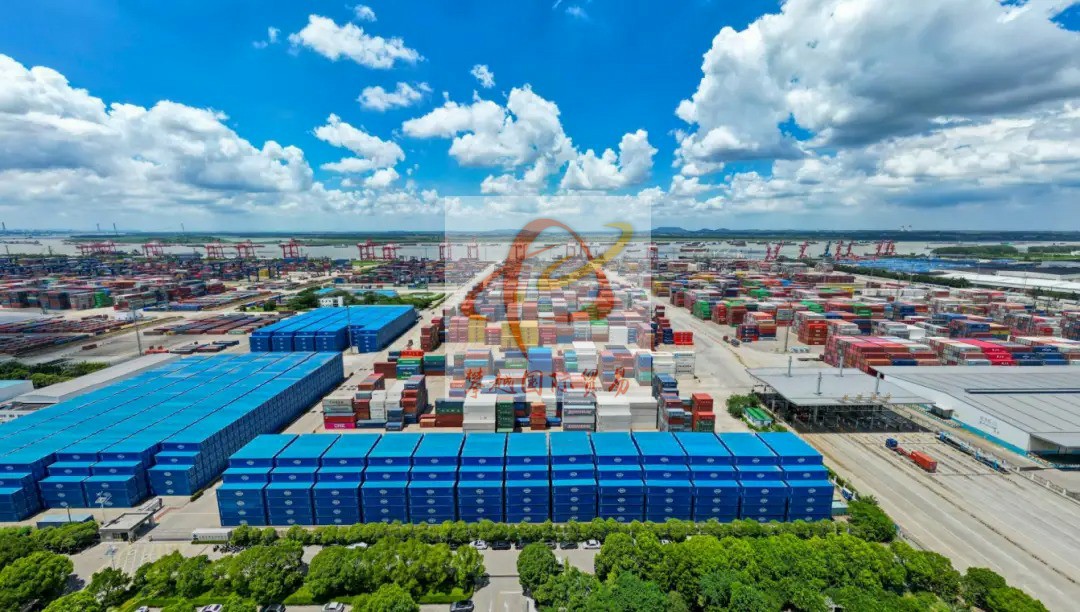
Practical operation points in the pre-examination process for exporting general goods IoT equipment to China
Before exporting generic IoT equipment to China, you can give priority to using the online Chinese label pre-examination channel of Shenzhen Shekou Port. This is the port's exclusive service for general cargo electronic equipment. It can check label compliance in advance and reduce the probability of rectification during customs clearance by China customs. Attention should be paid to the fact that the label must clearly mark the equipment model, origin and safety warnings; after the pre-review is passed, an electronic confirmation letter will be generated, which can be prepared together with other customs clearance materials.
Practical operation points in the customs clearance and declaration process of common goods IoT equipment in Shenzhen Shekou Port
When applying for customs clearance of common cargo IoT equipment at Shenzhen Shekou Port, you can first prepare the basic documents common to customs clearance of all goods, including bills of lading, commercial invoices, packing lists, certificates of origin; supplementary documents such as label pre-examination confirmation letters., can be flexibly prepared according to the cargo supervision attributes. It is recommended to choose a professional China international freight forwarder to assist you in simultaneously completing the compliance verification of your application documents and reducing the risk of customs clearance delays caused by document problems. Customs clearance materials can be prepared in advance to ensure smooth declaration. Specific regulatory requirements shall be subject to the actual implementation standards of local customs in China.
After completing customs clearance and release by China customs, containers will be picked up. The free storage period for containers picked up in Shenzhen Port is 72 hours, and a storage fee will be incurred if overtime is exceeded. When carrying a suitcase, in addition to checking whether the container is damaged, it is also necessary to confirm that the loading of the goods in the container is consistent with the declaration list. Subsequently, you can transport the goods to designated storage locations in China through Shekou Port's supporting logistics services. The port's inland transshipment network supports rapid delivery of cargo and reduces additional transit waiting times.
If you encounter customization needs or practical problems in exporting general goods IoT equipment to China or customs clearance at Shenzhen Shekou Port, you can consult a professional China international freight forwarder to obtain targeted solutions.
Shenzhen Shekou Port optimizes the customs clearance process for common goods IoT equipment, which helps improve the efficiency of cargo customs clearance. Being familiar with exclusive rules in advance and preparing compliance information is an important guarantee to ensure the smooth entry of goods. Accurately matching port requirements in all aspects from pre-examination to declaration can help you reduce unnecessary time and cost losses and help your IoT equipment enter the China market smoothly.
 One-on-One Service
 Fast Processing Cycle
 Twenty Years of Import & Export Experience
 A Large Number of Successful Cases
 Online Consultation