
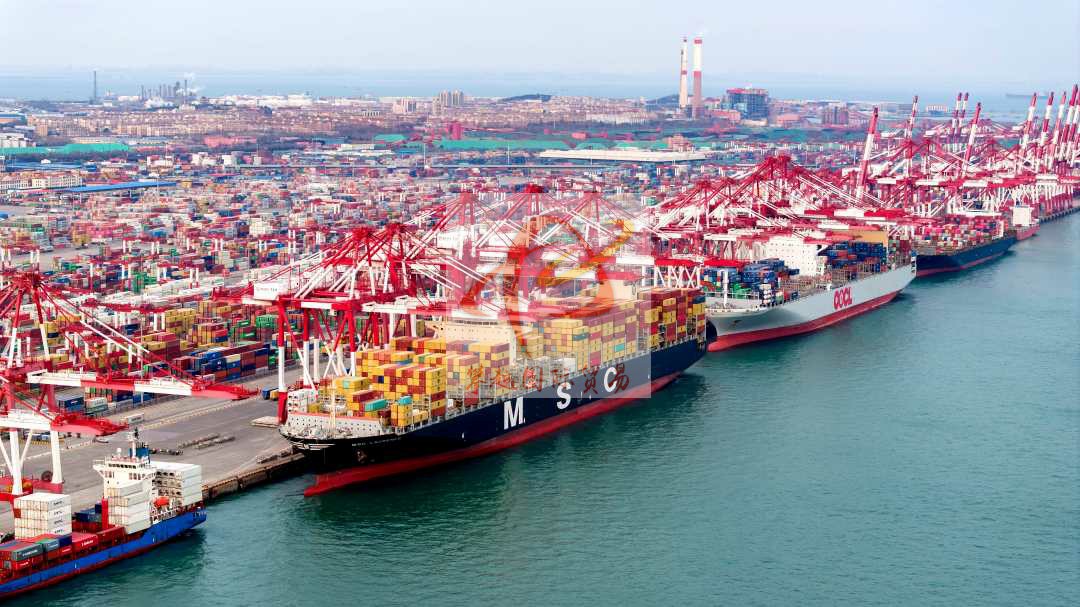
For natural rubber tube exporters, particularly those from Thailand and Malaysia, key global suppliers of rubber/plastic products, achieving seamless market entry into China hinges on mastering China’s regulatory framework and leveraging the specialized services of Guangzhou Huangpu Port tailored for rubber shipments. As a crucial gateway for natural rubber tube exports, Huangpu Port offers a range of dedicated solutions to simplify compliance, minimize delays, and ensure a smooth transition from overseas production to China’s distribution networks.
A natural rubber tube exporter from a certain region once encountered unnecessary clearance delays at Huangpu Port due to an unauthenticated certificate of origin and an incomplete quality inspection report. This not only extended the clearance process by a number of days but also caused the exporter to miss an urgent client order, underscoring the critical need for precise compliance with China’s rubber product regulations. Without proper preparation, even seasoned exporters can stumble over China’s requirements for natural rubber tubes, from document authenticity to material composition verification.
Guangzhou Huangpu Port addresses these challenges with a suite of dedicated supports for natural rubber tube exporters:
- The "Rubber & Plastic Products Green Lane" prioritizes high-quality natural rubber tube shipments, ensuring priority unloading and customs clearance
- One-stop document pre-audit services check compliance with China’s corresponding national/industry safety standards for natural rubber tubes
- Priority cargo inspection minimizes port detention time
- Dedicated customs liaison officers, familiar with export practices of certain regions, are available 24/7 to resolve compliance queries
Each service is designed to eliminate friction and expedite the clearance process, making Huangpu Port an ideal hub for natural rubber tube exports.
Document Preparation: China-Compliant Paperwork for Thai and Malaysian Exporters
To ensure hassle-free export of natural rubber tubes from Thailand and Malaysia to China via Guangzhou Huangpu Port, exporters must prepare a comprehensive set of China-compliant documents that meet both international standards and China’s specific regulatory demands. These documents not only verify product origin and quality but also ensure compliance with China’s safety and labeling standards, avoiding costly port delays.
The Certificate of Origin (COO) is a fundamental document issued by local authorities. For Thai exporters, the COO must be authenticated by the Thai Chamber of Commerce, while Malaysian exporters need validation from the China Council for the Promotion of International Trade. This document is critical for proving product origin, directly impacting eligibility for China’s ASEAN Free Trade Agreement (AFTA) tariff benefits and avoiding potential customs disputes over product sourcing. Without a valid COO, natural rubber tube shipments may face higher tariffs or even rejection, making it essential to ensure the certificate’s authenticity and alignment with China’s requirements.
The Quality Inspection Report must detail the natural rubber content, tensile strength, and chemical composition of the tube. Thai exporters must ensure the report aligns with China’s corresponding national/industry safety standards, including the required natural rubber content threshold and tensile strength parameters. For Malaysian exporters, the report should also include results from local standard testing to confirm compliance with regional requirements. This document is a mandatory requirement for customs clearance, as it verifies that the natural rubber tube meets China’s safety and quality benchmarks.
For Malaysian rubber/plastic products exporters, the packing list and COO must be cross-checked with details in the quality inspection report to avoid discrepancies. For instance, if the COO declares the product as "natural rubber tube," the quality report must explicitly confirm this classification to prevent customs from flagging the shipment as non-compliant.
The Packing List is a detailed document listing the quantity, dimensions, and packing specifications of each natural rubber tube shipment. Thai exporters should specify details like tube length, diameter, and gross/net weight, while Malaysian exporters must provide a bilingual English-Chinese version. This document ensures customs can verify the consistency between the shipment and declared details, preventing delays caused by mismatched packing information. Exporters should also include a packing declaration confirming that the shipment is free from contaminants or prohibited materials, as required by China’s entry-exit inspection and quarantine regulations.
China Market Access Solutions: Tailored Support for Natural Rubber Tube Exporters
Beyond preparing compliant documents, Thai and Malaysian natural rubber tube exporters need specialized support to navigate Guangzhou Huangpu Port’s clearance process and China’s evolving regulatory landscape. Our end-to-end solutions address these core pain points.
- The Source-Specific Document Audit is a free service for Thai and Malaysian exporters, covering comprehensive reviews of COO, quality inspection reports, and packing lists. Our team checks for document authenticity, alignment with China’s national standards, and consistency between the COO and inspection report. For example, we verify that the relevant stamp on the COO matches official records and that the quality inspection report includes all required test results for natural rubber content. This proactive step eliminates last-minute discrepancies causing delays, with feedback delivered within a reasonable timeframe to ensure timely adjustments.
- The Green Lane Priority Handling leverages our direct relationships with Huangpu Port authorities to activate the dedicated lane for natural rubber tube shipments. We coordinate pre-shipment document final checks, arrange priority cargo unloading (even during peak seasons), and work with customs to fast-track inspection. For Thai and Malaysian exporters, this means a significant reduction in port detention time compared to standard clearance processes, ensuring natural rubber tubes reach China’s warehouses faster. We also assign a dedicated port liaison to address urgent issues, such as expedited re-inspection for minor document errors.
- Regulatory Updates & Training provide tailored alerts for Thai and Malaysian exporters on changes to China’s rubber import policies—including updates to national standards for natural rubber tubes, tariff adjustments under AFTA, and new labeling requirements. We also offer online training sessions on China-compliant documentation, covering topics like "How to Prepare a Valid COO for Thai Exporters" and "Common Mistakes in Quality Inspection Reports for Malaysian Shipments." This support ensures exporters stay ahead of regulatory changes and maintain compliance throughout the export process.
Our solutions significantly reduce document-related delays for Thai and Malaysian natural rubber tube exporters, streamline Guangzhou Huangpu Port clearance processes, and deliver a high first-pass clearance success rate for first-time China exporters. By combining document expertise with port collaboration, we eliminate the complexity of cross-border trade, allowing exporters to focus on growing their China business with confidence.
Conclusion: Your Partner for Efficient China Market Entry
For Thai and Malaysian natural rubber tube exporters targeting China, efficient market entry relies on two core pillars: source-specific, China-compliant documentation and strategic use of Guangzhou Huangpu Port’s dedicated services. Both require in-depth knowledge of China’s rubber/plastic product regulations and local port practices to avoid clearance delays.
As a trusted partner for natural rubber tube export to China, we specialize in supporting Thai and Malaysian exporters with end-to-end solutions. From document preparation guidance and pre-shipment audits to Green Lane Priority Handling and regulatory updates, we eliminate the guesswork and complexity of cross-border trade, allowing exporters to focus on growing their China business with confidence.
Ready to export your natural rubber tube to China from Thailand or Malaysia via Guangzhou Huangpu Port? Contact our team today for a free, source-specific document checklist and a personalized consultation to address your unique compliance needs. Let us help you achieve seamless, efficient market entry into China.
Disclaimer: This article is for general information only. Specific China regulatory requirements for rubber/plastic products may vary by shipment details (e.g., product grade, packing type) and source country. Overseas natural rubber tube exporters from Thailand and Malaysia should consult our professional team for personalized guidance based on their actual shipment requirements.
 One-on-One Service
 Fast Processing Cycle
 Twenty Years of Import & Export Experience
 A Large Number of Successful Cases
 Online Consultation