

For overseas seafood exporters—particularly Australian exporters, key global suppliers of agricultural products—achieving efficient market entry into China hinges on mastering China’s regulatory framework and leveraging Guangzhou Huangpu Port’s specialized services tailored for seafood shipments. The demand for fresh lobster tail in China has seen steady growth, with Australian exporters playing a pivotal role in meeting this demand—yet success relies on navigating complex customs procedures and leveraging port-specific support.
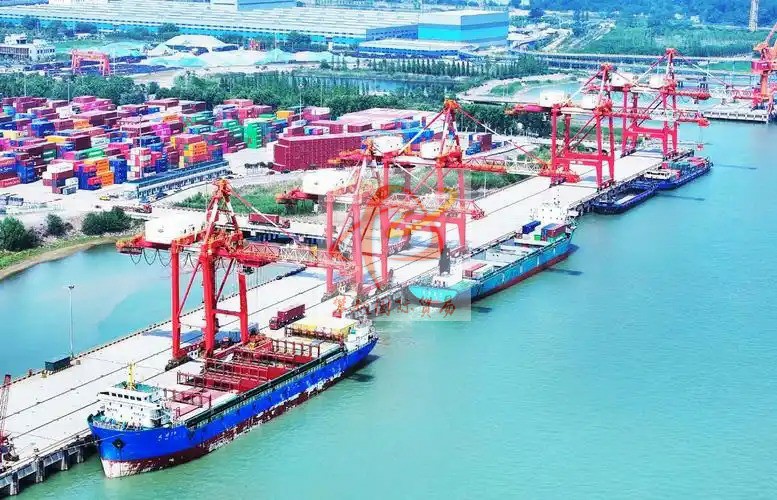
Streamlining Lobster Tail Export to China
An Australian seafood exporter once faced avoidable clearance delays at Guangzhou Huangpu Port due to incomplete animal health certificates and uncertified catch logs, mandatory for chilled seafood imports to China. This not only extended the clearance process by several days but also caused the exporter to lose a key client order, underscoring the critical need for source-specific compliance guidance. Without proper preparation, even high-quality Australian lobster tail can encounter unnecessary hurdles at the port.
Guangzhou Huangpu Port addresses these challenges with a suite of dedicated support for seafood exporters: a “Seafood Green Lane” prioritizing chilled/frozen shipments with pre-arrival document checks, one-stop pre-shipment document review to catch errors in advance, and dedicated customs liaison officers specializing in agricultural exports. Each service is crafted to reduce friction and accelerate clearance, particularly for perishable goods like lobster tail, which require rapid processing to preserve quality.
Document Preparation: China-Compliant Paperwork for Australian Seafood Exporters
To efficiently export lobster tail (a seafood product under agricultural categories) from Australia to China via Guangzhou Huangpu Port, exporters must prepare a comprehensive set of China-compliant documents, each tailored to meet both international standards and China’s specific regulatory requirements for fresh seafood. These documents not only validate product quality but also ensure compliance with China’s Entry-Exit Inspection and Quarantine (CIQ) and General Administration of Customs (GAC) regulations.
The Certificate of Origin (COO) is a foundational document issued by Australian authorities, such as the Australian Quarantine and Inspection Service (AQIS) or local chambers of commerce. Australian exporters must ensure the COO includes details like the HS code (corresponding code for frozen lobster tail), production batch numbers, and the exporter’s tax registration number. For ChAFTA-eligible shipments, the COO must feature a “Product of Australia” declaration and be notarized by the Chinese Embassy in Australia to qualify for preferential tariffs. This document confirms the product’s origin, a key factor in customs valuation and market access.
The Official Veterinary Health Certificate is mandatory for all Australian seafood exports to China, issued by AQIS. Australian exporters must ensure the certificate specifies the exact lobster species (e.g., Panulirus homarus, Panulirus ornatus), catch location (e.g., Western Australia, Tasmania), and health status (free from diseases like vibriosis). It must also include a bilingual English-Chinese declaration and bear an official AQIS stamp and signature. This document ensures the product is free from pests, pathogens, or contaminants, a non-negotiable requirement for China customs clearance.
The Quality Certificate is issued by an independent third-party inspection body in Australia, verifying sensory quality (freshness, texture), weight, and packing standards. Australian seafood exporters must have this document issued within the required time frame for seafood products, with clear batch numbers and traceability information. It must also confirm compliance with China’s food safety standards, such as the corresponding national safety standards for fishery products. This document is critical for building trust with Chinese importers and customs, as it bridges quality verification and regulatory approval.
Understanding the differences between standard and ChAFTA-eligible documents is key—ChAFTA certificates, for instance, require additional details like production year and farm registration numbers to qualify for reduced tariffs. Failing to include these details can result in delayed clearance or higher duties, highlighting the need for precise, China-aligned documentation.
China Market Access Solutions: Tailored Support for Seafood Exporters
Beyond preparing compliant documents, Australian seafood exporters need specialized support to navigate Guangzhou Huangpu Port’s clearance process and China’s evolving fresh seafood regulatory landscape—our end-to-end solutions address these core pain points, ensuring a smooth, predictable export experience.
Seafood Green Lane Coordination leverages our direct relationships with Guangzhou Huangpu Port to activate the seafood-only green lane, a dedicated channel for chilled/frozen products. We arrange pre-arrival document pre-checks (e.g., verifying COO and quarantine certificate authenticity), 24-hour priority inspection scheduling, and direct communication with customs officers specializing in agricultural exports. This service significantly shortens the clearance time for eligible shipments, aligning with industry average durations, crucial for maintaining lobster tail’s freshness during transport.
Cold Chain Compliance Support is essential for perishable goods like lobster tail, which require strict temperature control during storage and transport. We provide real-time temperature monitoring support, including connecting exporters to certified cold chain providers in Australia and China. We also assist in preparing cold chain temperature records (required by China’s GAC) to prove product quality throughout the supply chain, such as logs demonstrating compliance with cold chain temperature requirements during storage and transport. This eliminates delays caused by non-compliant cold storage practices and ensures customs approval of chilled lobster tail.
Bilingual Document Coaching ensures Australian exporters’ paperwork meets China’s language and format requirements. Our team offers one-on-one training on translating documents into China-standard Chinese, including correct terminology (e.g., “lobster tail” for “龙虾尾” – maintaining English for “lobster tail” as required) and formal layout (official watermarks, blue ink signatures). We also review documents for errors like missing company stamps or incorrect product descriptions, common causes of customs holds. This personalized coaching eliminates document-related delays and builds confidence in compliance.
Our solutions significantly simplify the complexity of China market entry for Australian seafood exporters, streamline Guangzhou Huangpu Port clearance, and help achieve a high first-pass clearance success rate. By combining document expertise with port collaboration, we eliminate guesswork and ensure your lobster tail shipments reach China’s market efficiently and reliably.
Conclusion: Your Partner for Efficient China Market Entry
For Australian seafood exporters targeting China, efficient market entry relies on two core pillars: source-specific, China-compliant documentation and strategic use of Guangzhou Huangpu Port’s dedicated seafood services. Both require in-depth knowledge of China’s agricultural regulations and local port practices, especially for perishable products like lobster tail, where quality retention and speed to market are paramount.
As a trusted partner for lobster tail export to China, we specialize in supporting Australian exporters with end-to-end solutions. From document preparation guidance and green lane coordination to cold chain compliance support and regulatory updates, we eliminate the complexity of cross-border trade, allowing you to focus on growing your China business and meeting the growing demand for high-quality Australian seafood.
Ready to export your lobster tail from Australia to China via Guangzhou Huangpu Port? Contact our team today for a free, Australia-specific document checklist and a personalized consultation to address your unique seafood export needs. Let us help you achieve seamless, efficient market entry into China.
Disclaimer: This article is for general information only. Specific China regulatory requirements for agricultural products may vary by shipment details, product type, and season. Australian seafood exporters should consult our professional team for personalized guidance based on their actual export plans.
 One-on-One Service
 Fast Processing Cycle
 Twenty Years of Import & Export Experience
 A Large Number of Successful Cases
 Online Consultation