
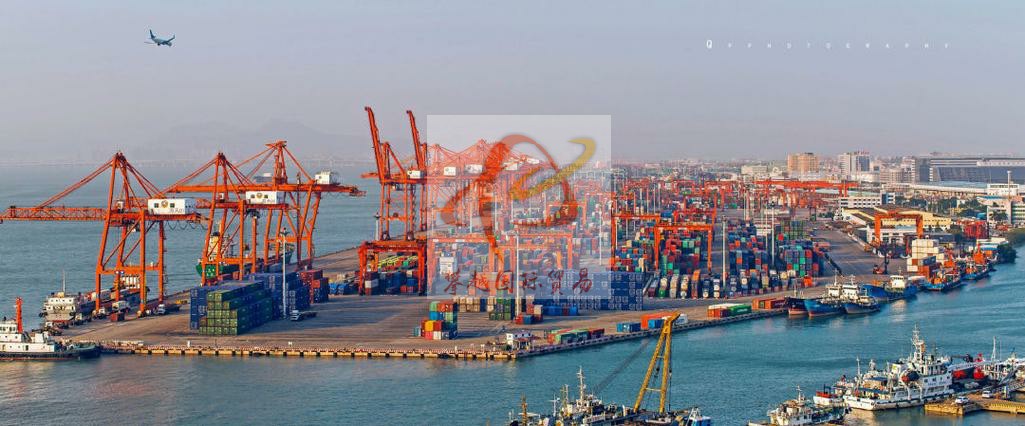
For overseas exporters dealing with dangerous goods such as paints and solvents, particularly German and Japanese suppliers who are key global chemical providers, achieving efficient market entry into China hinges on mastering China’s regulatory framework and leveraging the specialized services of Shenzhen Shekou Port designed for chemical shipments. As a vital gateway for chemical exports to southern China, Shenzhen Shekou Port caters to the unique needs of high-risk goods like Special Solvents (a subclass of dangerous goods), offering a range of support to ensure compliance and speed.
Unveiling Challenges in Special Solvents Export to China
A foreign exporter of dangerous goods once encountered avoidable clearance delays at Shenzhen Shekou Port due to non-compliant MSDS (Material Safety Data Sheet) and incomplete origin documentation. This not only significantly prolonged the clearance process but also caused the exporter to miss a critical client deadline, underscoring the essential need for source-specific compliance guidance. Without proper preparation, even experienced exporters risk incurring costs and damaging their reputation in China’s competitive market.
Shenzhen Shekou Port’s Dedicated Support for Dangerous Goods Exporters
Shenzhen Shekou Port addresses these challenges with a suite of dedicated support for dangerous goods exporters. It features a specialized dangerous goods terminal, pre-arrival MSDS classification audits, and customs liaison officers trained in chemical shipment clearance. The specialized terminal provides controlled storage with appropriate safety measures and around-the-clock monitoring to meet safety standards; pre-arrival audits detect discrepancies like missing labels or non-compliant documentation before arrival, avoiding detention risks; and designated officers handle queries directly, ensuring faster resolution of issues such as documentation gaps. Each service is crafted to reduce friction and accelerate clearance from port to warehouse.
Exporting Special Solvents from Germany to China via Shenzhen Shekou Port requires more than quality products; it demands China-aligned documentation and strategic collaboration with port authorities. For German and Japanese exporters, understanding mandatory paperwork and source-specific requirements—such as MSDS formatting and origin certification—is the first step toward seamless market entry.
Document Preparation: China-Compliant Paperwork for German and Japanese Dangerous Goods Exporters
To efficiently export Special Solvents (a type of dangerous goods under chemicals) to China from Germany and Japan via Shenzhen Shekou Port, exporters must prepare a complete set of China-compliant documents, each tailored to meet both international standards and China’s specific regulatory requirements. This section outlines the essential paperwork and how to ensure compliance from each source country.
- The Certificate of Origin (COO) is a foundational document proving product origin, crucial for accessing China’s preferential tariffs. For German exporters, the COO must be authenticated by the relevant official authority in Germany, while Japanese exporters obtain validation through the China Council for the Promotion of International Trade (CCPIT). This authentication ensures customs recognizes the document’s validity, preventing delays at Shenzhen Shekou Port.
- The Material Safety Data Sheet (MSDS, aligned with the corresponding national industry safety standards for chemicals) is mandatory for all dangerous goods shipments to China. German exporters must ensure the MSDS includes standardized sections (e.g., hazards, handling precautions) in both English and Chinese, with clear classifications of flammability, toxicity, and reactivity. Japanese exporters must also align with China’s chemical safety protocols; non-compliant MSDS, such as missing Chinese translations or outdated information, will lead to customs detention. This document serves as the primary safety reference for China’s customs and end-users, ensuring safe handling and storage.
- For Japanese dangerous goods exporters, the MSDS and COO are equally critical to customs clearance, ensuring compliance with China’s chemical safety regulations and relevant protocols. Without these, shipments risk immediate port detention and lost revenue.
- Together, COO and MSDS form the backbone of China-compliant documentation for Special Solvents exports. Our document audit service checks these for authenticity, translation accuracy (especially for Chinese characters), and alignment with China’s latest chemical regulations, providing a detailed feedback report within a reasonable timeframe. This proactive step eliminates last-minute errors, ensuring a smooth clearance process at Shenzhen Shekou Port.
China Market Access Solutions: Tailored Support for Dangerous Goods Exporters
Beyond preparing compliant documents, German and Japanese dangerous goods exporters need specialized support to navigate Shenzhen Shekou Port’s clearance process and China’s evolving regulatory landscape. Our end-to-end solutions address these core pain points.
- Source-Specific Document Audit is a free service for German and Japanese exporters, covering comprehensive reviews of COO, MSDS, and any additional local documentation. Our team checks for document authenticity (e.g., verifying official stamps), translation accuracy (e.g., ensuring labels are correctly formatted), and alignment with China’s latest chemical regulations. This audit, conducted by China-licensed specialists, delivers a detailed report in a timely manner to correct discrepancies before shipment.
- Shenzhen Shekou Port Coordination leverages our direct relationships with port authorities to activate the dangerous goods priority channel. We arrange pre-shipment document reviews to confirm compliance, coordinate inspection scheduling as required by relevant regulations to minimize port stay, and assign a dedicated port liaison to address urgent issues like label non-compliance or documentation errors. For German and Japanese exporters, this means faster unloading, reduced detention times, and a smoother transition from port to warehouse.
- Regulatory Updates provide tailored alerts for German and Japanese exporters on changes to China’s chemical policies, including MSDS format updates, testing requirements, and Shenzhen Shekou Port’s hazardous goods handling guidelines. Alerts are delivered via email or our client portal, ensuring exporters stay ahead of regulatory changes. For example, if China updates its chemical safety standards, we immediately notify exporters and adjust their documentation templates, preventing compliance gaps.
Our solutions substantially reduce document-related delays for German and Japanese dangerous goods exporters, streamline Shenzhen Shekou Port clearance processes, and deliver a high success rate in initial clearance for first-time China exporters. By combining document expertise with port collaboration, we eliminate the complexity of China market entry.
For German and Japanese exporters of dangerous goods like paints and solvents targeting China, efficient market entry relies on two core pillars: source-specific, China-aligned documentation and strategic use of Shenzhen Shekou Port’s dedicated services. Both require in-depth knowledge of China’s chemicals regulations and local port practices to avoid costly delays and missed opportunities.
As a trusted partner for Special Solvents export to China, we specialize in supporting German and Japanese exporters with end-to-end solutions. From document preparation guidance and pre-shipment audits to port coordination and regulatory updates, we eliminate the guesswork and complexity of cross-border trade, allowing exporters to focus on growing their China business.
Ready to export your Special Solvents to China from Germany or Japan via Shenzhen Shekou Port? Contact our team today for a free, source-specific document checklist and a personalized consultation to address your unique compliance needs. Let us help you achieve seamless, efficient market entry into China.
Disclaimer: This article is for general information only. Specific China regulatory requirements for chemicals may vary by shipment details, product type, and source country. Overseas exporters of dangerous goods from Germany and Japan should consult our professional team for personalized guidance based on their actual shipment requirements.
 One-on-One Service
 Fast Processing Cycle
 Twenty Years of Import & Export Experience
 A Large Number of Successful Cases
 Online Consultation