
For overseas ordinary cosmetics exporters—particularly South Korean and French exporters, who are key global suppliers of cosmetics—achieving efficient market entry into China hinges on mastering China’s regulatory framework and leveraging Guangzhou Huangpu Port’s specialized services tailored for cosmetic shipments. Lip liner, a popular and competitive product in China’s cosmetic market, demands meticulous navigation of China’s import-export rules, from documentation to port clearance, to avoid delays and ensure compliance.
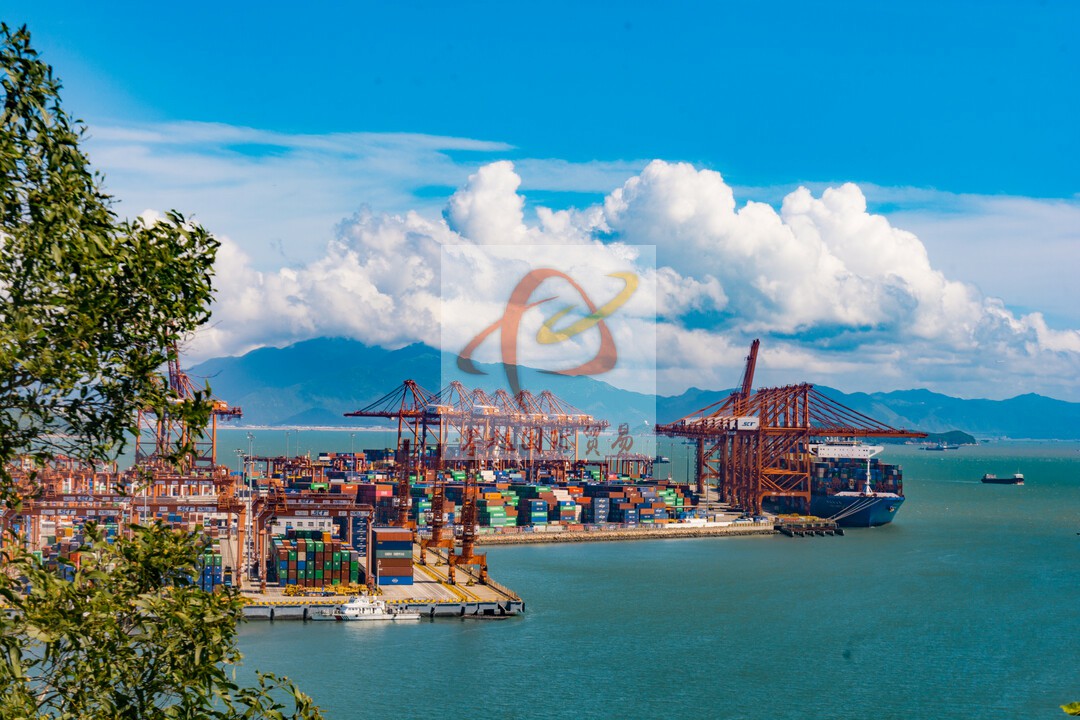
A South Korean lip liner exporter once faced avoidable clearance delays at Guangzhou Huangpu Port due to untranslated product descriptions and incomplete ordinary cosmetics record-ation. This not only extended the clearance process but also caused the exporter to miss the client’s launch deadline, underscoring the critical need for source-specific compliance guidance. Without proper preparation, even high-quality lip liner may fail to meet China’s standards, impeding market entry efforts.
Document Preparation: China-Compliant Paperwork for South Korean and French Exporters
To ensure efficient export of lip liner (an ordinary cosmetic) to China from South Korea and France via Guangzhou Huangpu Port, exporters must prepare a comprehensive set of China-compliant documents, each tailored to meet both international standards and China’s specific regulatory requirements for cosmetics.
Cosmetics Record-ation Certificate (for ordinary cosmetics)
This is the foundational document for lip liner exports. South Korean exporters must submit product information, ingredient lists, and safety data to China’s National Medical Products Administration (NMPA) for record-ation, while French exporters must align with the EU Cosmetics Regulation and provide the NMPA with a translation of the EU-compliance declaration. Without this certificate, shipments cannot enter China’s market.
Chinese Labeling Record-ation Certificate
China mandates detailed Chinese labels for imported cosmetics, and lip liner is no exception. South Korean exporters must ensure labels include the product name, ingredients, net weight, production date, expiration date, and origin, all in clear, readable Chinese characters. French exporters, accustomed to EU labeling norms, must adapt product descriptions to China’s corresponding label specifications, which specify mandatory information. A South Korean ordinary cosmetics exporters China compliance guide highlights that non-compliant labels can lead to customs detention, delaying clearance.
Safety Assessment Report
This document verifies lip liner’s safety, a non-negotiable requirement for China’s import regulations. South Korean exporters must provide a safety assessment report from a Chinese-accredited third-party lab, complying with the corresponding country’s safety technical specifications. French exporters must ensure reports include EU-required safety tests (e.g., skin irritation) and supplement with China-specific tests for heavy metals and microorganisms. This report directly impacts customs clearance, as non-compliant results will trigger further inspections.
Certificate of Origin
For South Korean exporters, applying for a China-Korea Free Trade Agreement (FTA) Certificate of Origin enables preferential tariffs, reducing import costs for Chinese buyers. French exporters should obtain a Generalized System of Preferences (GSP) Certificate of Origin or EU-China FTA Certificate (if applicable) to maximize tariff benefits. This certificate is also crucial for proving product origin, a key factor in customs valuation and regulatory checks.
Import Cosmetics Inspection and Quarantine Certificate
Issued by China’s General Administration of Customs, this certificate confirms lip liner meets China’s health and safety standards. South Korean exporters must submit the original document, while French exporters must ensure products pass China’s customs sampling inspection (e.g., microbial count checks). Without this certificate, products cannot be released from Guangzhou Huangpu Port.
China Market Access Solutions: Tailored Support for Ordinary Cosmetics Exporters
Beyond preparing compliant documents, South Korean and French ordinary cosmetics exporters need specialized support to navigate Guangzhou Huangpu Port’s clearance process and China’s evolving regulatory landscape—our end-to-end solutions address these core pain points.
Source-Specific Document Audit
Our team offers a free document audit service for South Korean and French exporters, reviewing all mandatory paperwork for completeness and accuracy. This includes checking the cosmetics record-ation certificate’s validity, label translation quality, safety report compliance, and origin certificate details. Our auditors, trained in both South Korean and French export practices, provide timely feedback, catching errors like mislabeled ingredients or expired safety reports before shipment.
Port Coordination for Cosmetics Shippers
Leveraging our direct relationships with Guangzhou Huangpu Port authorities, we activate the “Cosmetics Export Green Lane” for eligible exporters. This includes pre-shipment document reviews, priority cargo handling to bypass long queues, and timely communication with port staff to resolve urgent issues. For South Korean and French exporters, this means faster unloading, reduced inspection times, and a smoother transition from port to warehouse.
Regulatory Updates for Cosmetics Exporters
China’s cosmetics regulations are updated frequently, and staying ahead of changes is critical. Our regulatory update service delivers tailored alerts to South Korean and French exporters, covering new NMPA labeling requirements, revised safety standards, and Huangpu Port’s clearance process adjustments. Alerts include actionable steps to adjust documentation, ensuring exporters remain compliant and avoid last-minute fines.
Conclusion: Your Partner for Efficient China Market Entry
For South Korean and French ordinary cosmetics exporters targeting China, efficient market entry relies on two pillars: source-specific, China-compliant documentation and strategic use of Guangzhou Huangpu Port’s dedicated services. Both require in-depth knowledge of China’s cosmetics regulations and local port practices, which our team excels at simplifying.
As a trusted partner for lip liner export to China, we specialize in supporting South Korean and French exporters with end-to-end solutions. From document preparation guidance and pre-shipment audits to port coordination and regulatory updates, we eliminate the guesswork and complexity of cross-border trade, allowing exporters to focus on growing their China business.
Ready to export your lip liner to China from South Korea or France via Guangzhou Huangpu Port? Contact our team today for a free, source-specific document checklist and a personalized consultation to address your unique compliance needs. Let us help you achieve seamless, efficient market entry into China.
Disclaimer: This article is for general information only. Specific China regulatory requirements for cosmetics may vary by product type, batch, and source country. Overseas ordinary cosmetics exporters from South Korea and France should consult our professional team for personalized guidance based on their actual shipment requirements.
 One-on-One Service
 Fast Processing Cycle
 Twenty Years of Import & Export Experience
 A Large Number of Successful Cases
 Online Consultation