
For overseas alcoholic beverage exporters, especially those from Japan—renowned globally for premium sake—cracking China’s competitive market requires mastering regulatory compliance and leveraging specialized port services like those at Shenzhen Shekou Port. Daiginjo Sake, a high-end rice wine with strict quality benchmarks, demands meticulous planning to meet China’s customs clearance prerequisites, spanning documentation to label design. Overlooking these guidelines can trigger delays, fines, or even shipment seizures, emphasizing the importance of strategic collaboration with experienced partners.
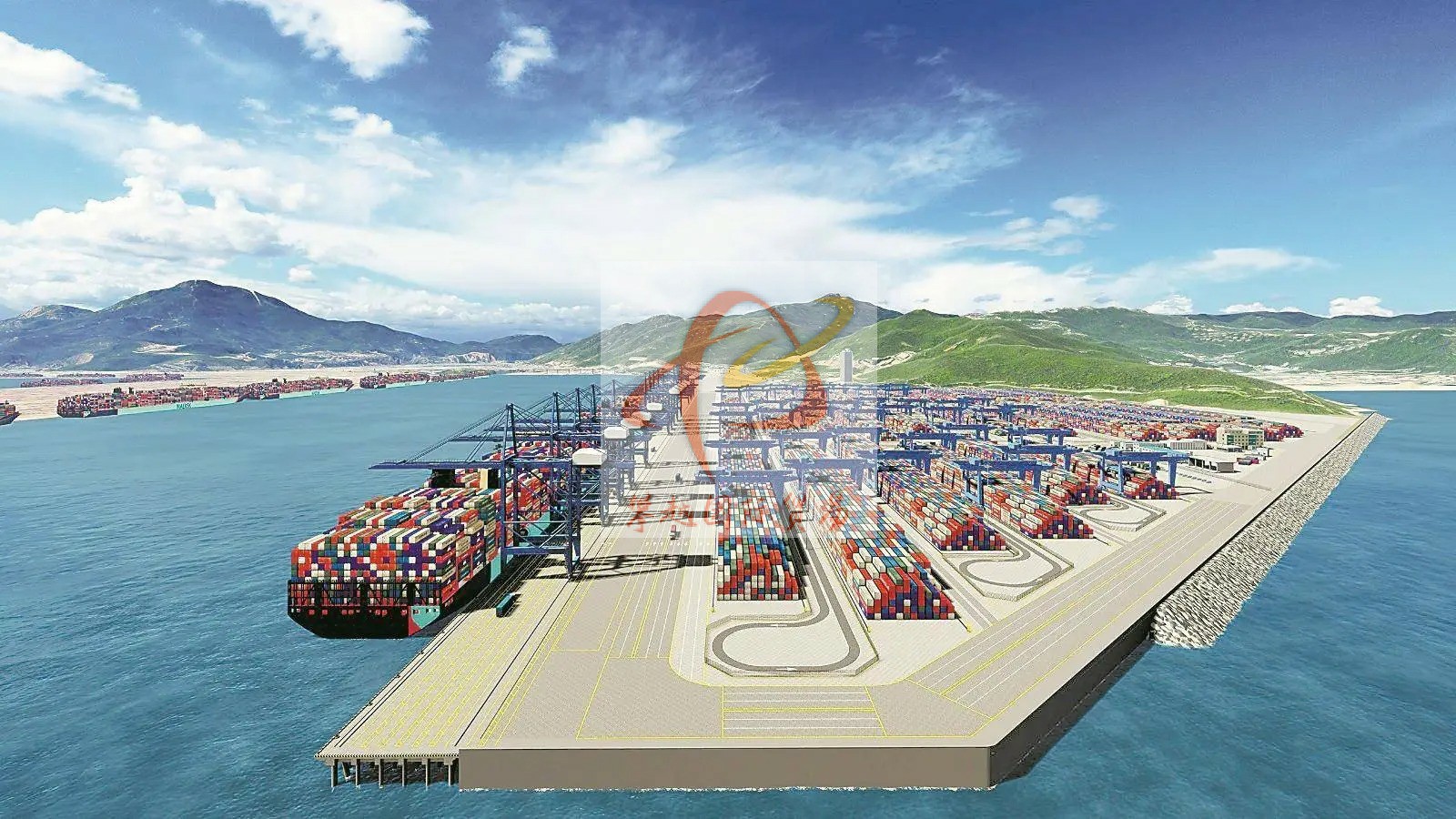
Unveiling Challenges in Daiginjo Sake Exports
A common hurdle for many Japanese sake exporters is ensuring all documentation aligns with China’s evolving regulations. For example, a Tohoku-based exporter faced unforeseen delays at Shenzhen Shekou Port due to incomplete Chinese translations of alcohol content and the absence of the mandatory “No Drinking and Driving” warning label on packaging. This oversight necessitated re-labeling the entire batch, incurring extra costs and missing a vital holiday season order. Such pitfalls highlight the critical need for pre-shipment compliance checks, particularly for high-value, highly regulated products like Daiginjo Sake.
Key Advantages of Shenzhen Shekou Port for Sake Exporters
Shenzhen Shekou Port addresses these challenges with three key advantages for Japanese sake exporters:
- Sake-Specific Green Lane: This dedicated channel prioritizes premium sake shipments, notably reducing inspection times and enabling faster unloading and customs release.
- One-Stop Document Pre-Audit: Our team conducts pre-shipment reviews of all export documentation—including origin certificates, health documents, and label designs—within key timelines to catch discrepancies early and avoid on-site delays.
- Japanese-Language Liaison Support: Dedicated customs officers fluent in Japanese are on hand to clarify queries, explain compliance details, and resolve issues in real time, easing communication barriers for Japanese exporters.
Essential Export Documentation for Daiginjo Sake
To export Daiginjo Sake from Japan to China, a comprehensive set of documents tailored to China’s strict import regulations for alcoholic beverages is essential. Japanese exporters must ensure each document meets both Japanese export standards and China’s customs requirements, encompassing food safety laws and labeling norms.
Certificate of Origin (COO)
Issued by Japan’s METI, this document verifies the product’s origin. Japanese exporters must include “Made in Japan” in both English and Chinese to align with China’s import declaration rules. A valid COO is pivotal for tariff eligibility under China’s Japan-China Economic Partnership Agreement (JCEPA); absence thereof may lead to customs delays or shipment rejections.
Health Certificate
Issued by Japan’s MAFF, this document confirms the sake meets hygiene and safety standards. It must include details like alcohol content, rice polishing ratio, and production date in both Japanese and Chinese, complying with corresponding food safety standards for fermented alcoholic beverages. A missing or incomplete health certificate can result in product rejection at Shenzhen Shekou Port.
Label Design Requirements
Label design is a critical area prone to customs delays. Under China’s requirements for food safety regulations and labeling norms, labels must feature:
- Clear, bold “No Drinking and Driving” warnings in both Chinese and Japanese, prominently placed (e.g., top-right corner of the bottle).
- Full product name, net weight, production date, expiration date, and importer/exporter information in simplified Chinese and Japanese.
- Detailed ingredient list with Chinese translations for all terms (e.g., “rice” replaced by “米” for clarity).
Food Business License for Importers
While this is a requirement for Chinese importers, Japanese exporters should confirm their Chinese partners hold a valid license covering “prepackaged food (including alcoholic beverages) import/sales” to avoid delays at Shenzhen Shekou Port.
End-to-End Export Solutions for Japanese Sake Exporters
Beyond document preparation, Japanese sake exporters need targeted solutions to navigate China’s complex import landscape. Our end-to-end services for Japanese sake exporters focus on risk mitigation and streamlining the export-to-delivery process:
- Source-Country Document Audit: Our team reviews Japanese sake export documents for alignment with China’s standards, ensuring timely feedback to minimize discrepancies. For instance, a health certificate was once rejected due to missing details; our audit caught this, significantly reducing potential port delays.
- Shenzhen Shekou Port Green Lane Coordination: Leveraging direct partnerships with port authorities, we activate a dedicated lane for Japanese sake shipments, effectively reducing inspection times and ensuring smoother unloading and customs release.
- Regulatory Update Alerts: China’s alcohol import rules evolve frequently—from new label requirements to tariff changes. Our team provides regular alerts to Japanese exporters, highlighting updates to regulatory frameworks and ensuring proactive compliance.
- Post-Clearance Support: We offer real-time tracking of Daiginjo Sake consignments to China, providing updates on port status, customs clearance progress, and delivery timelines, ensuring transparency and swift issue resolution.
Success in China’s Sake Market: Compliance + Efficiency
For Japanese sake exporters aiming to enter China’s market, success hinges on balancing strict compliance with operational efficiency. By leveraging Shenzhen Shekou Port’s dedicated services, preparing China-compliant documentation, and partnering with experts in Japan-China alcohol trade, exporters can overcome regulatory hurdles and establish a reliable presence in China’s competitive alcohol market.
Ready to export Daiginjo Sake to China from Japan via Shenzhen Shekou Port? Contact our team today for a free, no-obligation document compliance review and a tailored export plan. We specialize in supporting Japanese sake exporters with the insights, documentation, and port coordination needed to thrive in China.
*Disclaimer: This content offers general guidance on Japanese sake export to China. Specific requirements may vary by product batch, importer qualifications, or China’s evolving alcohol import regulations. Japanese exporters are advised to consult legal or customs professionals for the latest compliance details.
 One-on-One Service
 Fast Processing Cycle
 Twenty Years of Import & Export Experience
 A Large Number of Successful Cases
 Online Consultation