

For overseas spirits exporters, particularly Japanese liquor suppliers, achieving seamless market entry into China hinges on mastering China’s regulatory framework and leveraging the specialized services of Guangzhou Huangpu Port tailored for whiskey shipments. As one of China’s busiest ports for liquor imports, Huangpu Port offers a suite of dedicated solutions that simplify compliance and expedite clearance for Japanese whiskey exporters, who prioritize quality and reliability in their China trade. A Japanese spirits exporter once faced avoidable customs clearance delays at Guangzhou Huangpu Port due to unapproved Chinese label designs and incomplete details in the Health Certificate. This not only significantly prolonged the customs clearance process but also caused the exporter to miss a critical client order, highlighting the necessity of precise, source-specific preparation. Without a clear understanding of China’s liquor import rules, even minor oversights can disrupt supply chains and harm business relationships. Guangzhou Huangpu Port addresses these challenges with a comprehensive suite of support for spirits exporters: a ‘Liquor and Beverage Priority Clearance Lane’ that fast-tracks shipments with complete documentation, one-stop document pre-audit services to identify errors before arrival, and 24/7 customs liaison support for urgent queries. Each service is designed to reduce friction, minimize delays, and ensure compliance with China’s strict import standards for whiskey. Whiskey export to China from Japan via Guangzhou Huangpu Port requires more than quality products; it demands China-aligned documentation and strategic collaboration with port authorities. For Japanese exporters, understanding mandatory paperwork and source-specific requirements is the first step toward seamless market entry.
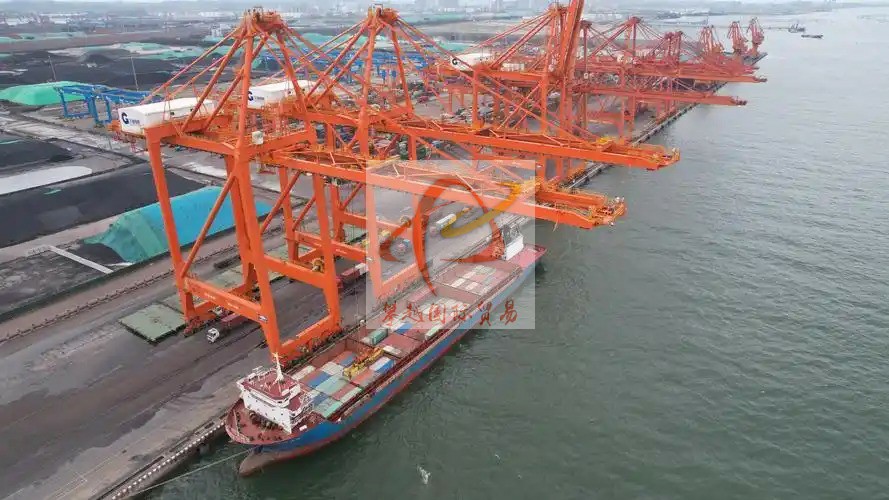
Document Preparation: China-Compliant Paperwork for Japanese Exporters
To ensure efficient export of whiskey (a spirits product under the liquor category) to China from Japan via Guangzhou Huangpu Port, exporters must prepare a thorough set of China-compliant documents, each customized to meet both international standards and China’s specific regulatory requirements. These documents not only verify product safety and origin but also align with China’s Food Safety Law and customs regulations. For Japanese spirits exporters, China compliance extends to Chinese label design and Health Certificate, which are equally vital as the COO and other mandatory documents—ensuring compliance with China’s Food Safety Law and consumer protection policies.
- The Certificate of Origin (COO) is a foundational document issued by Japan’s local chamber of commerce or trade authorities. Japanese exporters must ensure the COO clearly states “Product of Japan” and includes a notarized translation to comply with China Customs’ requirements. This document is critical for proving origin, which not only ensures tariff eligibility but also builds trust with Chinese importers and customs officers.
- The Health Certificate is mandatory for Japanese whiskey exports, issued by Japan’s Ministry of Health, Labour and Welfare or a government-authorized inspection body. The document must include details of alcohol content, production batch numbers, and safety test results (e.g., no microbial contamination, pesticide residues, or heavy metal content within regulatory limits). Without a valid Health Certificate, shipments will be rejected at Guangzhou Huangpu Port, as it is a non-negotiable safety requirement for imported spirits.
- The Chinese Label Compliance Verification Document is required for all imported whiskey, as China mandates clear, accurate Chinese-language labels. Japanese exporters must submit label designs (in PDF format) to China Customs for pre-approval, including details such as product name, alcohol content, production batch numbers, and safety test results (e.g., no microbial contamination, pesticide residues, or heavy metal content within regulatory limits). This document is reviewed by Guangzhou Huangpu Port’s customs experts within the industry average review period, and rejections for non-compliant labels lead to delays in customs clearance.
- The Food Business License (for importers) is a domestic Chinese requirement, confirming that the importing company has legal authorization to sell spirits in China. Japanese exporters should request a copy of the importer’s Food Business License before shipment, as China Customs may verify this document to ensure the product is sold through legitimate channels. This document helps prevent customs holds and ensures the entire supply chain adheres to China’s distribution regulations.
China Market Access Solutions: Tailored Support for Spirits Exporters
Beyond preparing compliant documents, Japanese spirits exporters need specialized support to navigate Guangzhou Huangpu Port’s clearance process and China’s evolving regulatory landscape. Our end-to-end solutions address these core pain points.
- The Source-Specific Document Audit is a free service for Japanese exporters, covering comprehensive reviews of COO, Health Certificate, Chinese label designs, and Food Business License. Our team checks for document authenticity, translation accuracy (especially Japanese-to-Chinese label translations), and alignment with China’s latest safety standards, providing a detailed feedback report within a reasonable timeframe. This proactive step eliminates last-minute discrepancies that cause delays in customs clearance.
- Huangpu Port Priority Clearance leverages our direct relationships with port authorities to activate the ‘Liquor Green Lane’ for Japanese whiskey exports. We arrange pre-shipment document reviews, coordinate priority cargo handling, and assign a dedicated customs liaison to address urgent issues, such as label revisions or document additions. For Japanese exporters, this means faster unloading, reduced inspection times, and a smoother clearance process.
- Regulatory Updates provide tailored alerts for Japanese spirits exporters on changes to China’s liquor policies—including updates to national safety standards for imported spirits, adjustments to alcohol content testing requirements, and modifications to import duty rates. Alerts are delivered via email or our client portal, ensuring exporters stay ahead of regulatory changes and avoid compliance gaps that could lead to shipment delays.
Our solutions consistently reduce document-related delays for Japanese spirits exporters, streamline Guangzhou Huangpu Port clearance processes, and deliver a consistently high success rate of first-pass clearance for first-time China exporters. By combining document expertise with port collaboration, we eliminate the complexity of cross-border trade.
Conclusion: Your Partner for Efficient China Market Entry
For Japanese spirits exporters targeting China, efficient market entry relies on two core pillars: source-specific, China-compliant documentation and strategic use of Guangzhou Huangpu Port’s dedicated services. Both require in-depth knowledge of China’s liquor regulations and local port practices, which can be challenging for first-time exporters.
As a trusted partner for whiskey export to China, we specialize in supporting Japanese exporters with end-to-end solutions. From document preparation guidance and pre-shipment audits to port coordination and regulatory updates, we eliminate the guesswork and complexity of cross-border trade, allowing exporters to focus on growing their China business.
Ready to export your whiskey to China from Japan via Guangzhou Huangpu Port? Contact our team today for a free, source-specific document checklist and a personalized consultation to address your unique compliance needs. Let us help you achieve seamless, efficient market entry into China.
Disclaimer: This article is for general information only. Specific China regulatory requirements for liquor may vary by shipment details, product type, and source country. Overseas spirits exporters from Japan should consult our professional team for personalized guidance based on their actual shipment requirements.
 One-on-One Service
 Fast Processing Cycle
 Twenty Years of Import & Export Experience
 A Large Number of Successful Cases
 Online Consultation