

Background: Streamlining Beef Export to China via Guangzhou Nansha Port
For overseas meat exporters—especially those from Australia and Argentina, major global suppliers of agricultural products—securing a seamless entry into China’s market hinges on mastering China’s stringent regulatory requirements and leveraging the specialized services of Guangzhou Nansha Port tailored for beef shipments. As a prominent southern China port, Nansha provides dedicated support for agricultural exports, positioning itself as a strategic hub for Australian and Argentinean beef exporters aiming to tap into the Chinese market.
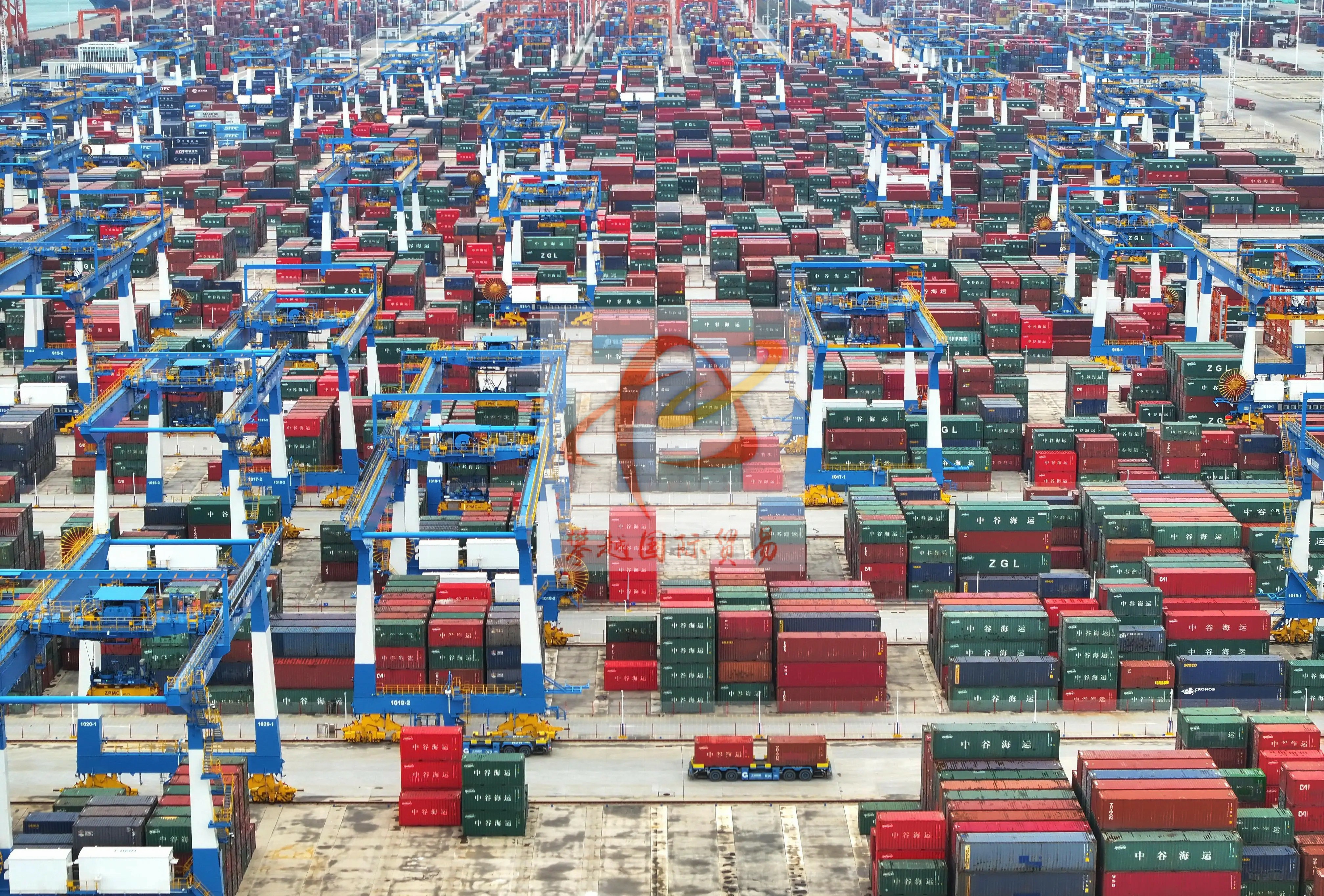
A real-world example highlights the necessity of such preparation: a consignment of Australian beef was delayed at Nansha Port due to incomplete animal health certificates and unvalidated origin documentation. This oversight not only extended the clearance process by a significant duration but also posed a risk to the exporter’s reputation among Chinese buyers. Such avoidable delays underscore the critical importance of aligning export practices with China’s specific standards for agricultural products.
Guangzhou Nansha Port addresses these challenges with a comprehensive suite of services for beef exporters. There’s a "Green Channel for Agricultural Exports" that prioritizes high-quality, low-risk shipments. Additionally, one-stop document pre-inspection services are available to catch errors in origin certificates, animal health records, and import licenses before the goods arrive. Moreover, our team includes dedicated, multilingual customs liaison officers trained in handling Australian and Argentinean beef exports, available to streamline the clearance process, ensuring compliance with China’s quarantine and safety regulations and minimizing friction during customs checks.
Document Preparation: China-Compliant Paperwork for Australian and Argentinean Exporters
To efficiently export beef to China through Guangzhou Nansha Port, exporters must compile a complete set of China-compliant documents that satisfy both their home country’s standards and China’s agricultural import regulations. These documents serve as proof of product safety, origin, and compliance, directly influencing clearance efficiency.
- 1. Origin Certificate
Required by Chinese customs, this document verifies the beef’s country of origin to determine eligibility for preferential tariffs (if applicable) and compliance with China’s import quota policies. Australian exporters must obtain this from the Australian Department of Agriculture and Water Resources, while Argentinean exporters should secure it through the Argentinean Agricultural Marketing Service. For Australian beef, the certificate must include clear product details (such as cut types, production dates) to align with China’s customs declaration standards. Without a valid Origin Certificate, shipments are likely to face delays during customs checks, as China strictly verifies origin information.
- 2. Animal Health Certificate
Issued by the exporting country’s animal quarantine authority, this certificate confirms that the beef is free from diseases like foot-and-mouth disease and brucellosis. Australian exporters must ensure the certificate includes a detailed health inspection report from the Australian Quarantine and Inspection Service (AQIS), while Argentinean exporters need documentation from the Argentinean Federal Service for Food Safety and Agrifood Quality (SENASICA). China’s General Administration of Customs (GAC) mandates this certificate to prevent the introduction of foreign animal diseases, making it a non-negotiable requirement for clearance. For Argentinean meat exporters, the Animal Health Certificate must also feature a Spanish-Chinese translation of key details (such as disease-free status) to facilitate customs review. This ensures clarity for Chinese officials and reduces the risk of misinterpretation.
- 3. Import Quota License for Agricultural Products
Beef exports to China require a pre-issued Import Quota License from China’s Ministry of Agriculture and Rural Affairs (MARA). Australian and Argentinean exporters must apply for this license well in advance of shipment, providing details on the quantity, cut types, and intended entry port. Without this license, shipments will be rejected at customs, as China strictly manages beef import quotas to protect domestic farmers and ensure food security. Exporters can apply for the license through MARA’s online platform or via authorized agents, with the process requiring documentation such as supplier registration and product safety certifications. This pre-approval step is crucial, as it ensures compliance with China’s import policies and prevents clearance delays at Nansha Port.
China Market Access Solutions: Tailored Support for Beef Exporters
Beyond document preparation, Australian and Argentinean beef exporters require specialized support to navigate China’s agricultural import landscape and Guangzhou Nansha Port’s clearance procedures. Our end-to-end solutions are designed to simplify compliance and expedite market entry.
- 1. Source-Specific Document Audit
Our team offers a free audit service for Australian and Argentinean beef exporters, reviewing Origin Certificates, Animal Health Certificates, and Import Quota Licenses for accuracy. We check for errors like incomplete information, untranslated content, or mismatched product details, providing rapid feedback to resolve issues before shipment. This proactive step eliminates last-minute disruptions, ensuring documents meet China’s strict standards.
- 2. Pre-Shipment Quarantine Coordination
To align with China’s strict animal quarantine rules, we coordinate pre-shipment inspections with China’s Entry-Exit Inspection and Quarantine Bureau (CIQ) at the origin location. This ensures the Animal Health Certificate and other documents are validated before shipment, reducing the risk of holds at Nansha Port. For Australian exporters, this involves working with AQIS to schedule on-site inspections, while Argentinean exporters benefit from our partnerships with local authorities to streamline the process.
- 3. Priority Clearance at Guangzhou Nansha Port
Leveraging our relationships with Nansha Port authorities, we activate a "Beef Export Green Lane" for eligible shipments. This ensures priority handling, with customs staff prioritizing document review and cargo inspection. We also arrange a dedicated port liaison to address urgent queries, such as expedited release for time-sensitive orders, ensuring minimal disruption to the supply chain.
Conclusion
For Australian and Argentinean beef exporters targeting China, successful market entry relies on two key pillars: mastering China’s agricultural import regulations and leveraging specialized export support services. By combining source-specific document preparation, pre-shipment coordination, and priority port access, we assist exporters in avoiding delays and building trust with Chinese buyers.
As a trusted partner in beef export to China, we specialize in simplifying the complexities of cross-border trade. From document audit and quota license application to port clearance support, our team ensures your shipments meet China’s standards and arrive on schedule.
Ready to export your beef to China from Australia or Argentina via Guangzhou Nansha Port? Contact our team today for a free, tailored compliance checklist and a personalized consultation to address your unique export needs. Let us help you achieve a seamless entry into China’s dynamic agricultural market.
Disclaimer
This article is for general information only. Specific China regulatory requirements for agricultural products may vary by product type, origin, and import volume. Australian and Argentinean beef exporters should consult our professional team for personalized guidance based on their actual shipment details.
 One-on-One Service
 Fast Processing Cycle
 Twenty Years of Import & Export Experience
 A Large Number of Successful Cases
 Online Consultation