

For overseas ordinary cosmetics exporters—particularly French and Japanese suppliers, key global players in the cosmetics industry—achieving seamless market entry into China hinges on mastering China’s regulatory framework and leveraging the specialized services offered by Guangzhou Nansha Port for cosmetic shipments. With the growing demand for high-quality ordinary cosmetics like cream foundation in China, exporters face distinct challenges in meeting regulatory standards, ensuring document compliance, and navigating port clearance processes—all of which can be simplified with the right support.
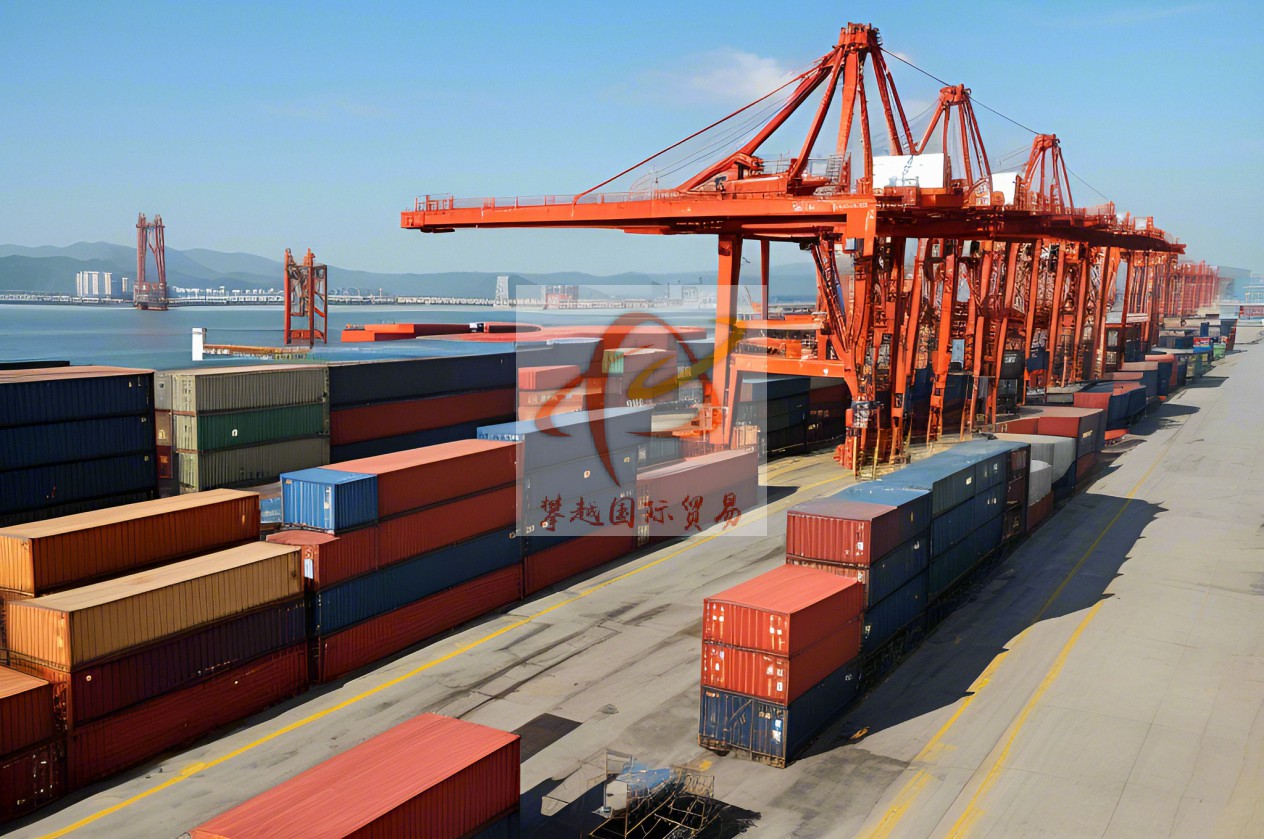
Streamlining Cream Foundation Export to China via Guangzhou Nansha Port
A French ordinary cosmetics exporter once encountered avoidable clearance delays at Guangzhou Nansha Port due to incomplete Chinese label filing and an unapproved safety assessment report. The shipment of cream foundation was held at customs for a period consistent with industry average processing times while the exporter revised labels and supplemented documentation, missing a critical client delivery deadline. This incident underscores the importance of proactive compliance preparation and port-specific support for exporting cream foundation to China.
Guangzhou Nansha Port provides specialized support for French and Japanese ordinary cosmetics exporters:
- One-stop Document Pre-Audit Service: This service pre-checks the completeness of registration/record-keeping certificates, Chinese label content, and safety reports against relevant China cosmetic safety and labeling requirements, significantly reducing on-site clearance time through enhanced accuracy.
- Customs Dedicated Liaison: A dedicated officer well-versed in cosmetic import regulations coordinates directly with exporters, addressing label revisions or documentation gaps within industry-standard response times.
- Priority Cargo Handling: Activates a green lane for pre-cleared shipments, ensuring efficient unloading and reduced warehouse storage times for time-sensitive orders such as cream foundation.
Exporting cream foundation from France or Japan to China via Guangzhou Nansha Port requires more than just quality products; it demands China-aligned documentation and strategic use of port services. From mandatory label filing to safety assessments, French and Japanese ordinary cosmetics exporters must prioritize regulatory compliance to avoid delays and build trust in China’s competitive market.
Document Preparation: China-Compliant Paperwork for French and Japanese Ordinary Cosmetics Exporters
To efficiently export cream foundation (an ordinary cosmetics item) to China from France and Japan via Guangzhou Nansha Port, exporters must prepare a comprehensive set of China-compliant documents, each tailored to meet both international standards and China’s specific cosmetic regulatory requirements. Here’s a breakdown of mandatory paperwork and source-specific preparation tips:
Cosmetics Registration/Record-keeping Certificate (Ordinary Cosmetics)
This foundational document, issued by China’s National Medical Products Administration (NMPA), confirms the product’s eligibility for import into China. For French exporters, the certificate must be translated into Chinese and notarized by an NMPA-authorized notary public. Japanese exporters should ensure the certificate includes all ingredient lists in simplified Chinese characters. Missing or incorrect information in this document leads to immediate customs rejection, making it critical for compliance with China’s classification system for ordinary cosmetics.
Chinese Label Record-keeping Certificate
Required by China’s cosmetics supervision and administration regulations, this document verifies that the product’s label meets China’s labeling standards, including mandatory information like ingredient lists (in descending order), net content, manufacturer details, and usage instructions in Chinese. Japanese exporters must ensure the label uses simplified Chinese characters and aligns with relevant national labeling requirements. French exporters should include additional warnings for sensitive ingredients (e.g., alcohol) in both English and Chinese. Without this certificate, the product cannot enter the Chinese market, as it is a mandatory requirement for customs clearance.
For Japanese ordinary cosmetics exporters, the Chinese Label Record-keeping Certificate and Safety Assessment Report are equally crucial, ensuring regulatory alignment and consumer safety—key priorities for China’s market access.
Safety Assessment Report
Mandatory for all imported ordinary cosmetics, this report details the product’s ingredients, potential safety risks, and compliance with China’s cosmetic safety technical specifications. French exporters should include relevant authorization documents from EU authorities, while Japanese exporters must provide data on allergen content and stability tests (e.g., pH levels, bacterial counts). Incomplete data in this report leads to extended clearance times, as it is reviewed by China’s customs and market supervision authorities to ensure consumer safety.
Certificate of Origin (COO)
Issued by local authorities, this document confirms the product’s country of origin, which impacts tariff rates and preferential policies under China’s free trade agreements. French exporters can obtain the COO from the French Chamber of Commerce, while Japanese exporters should ensure it includes a notarized translation of the exporter’s name and address. This certificate is essential for customs classification and duty calculation, with discrepancies leading to delayed or incorrect duty payments.
Import Cosmetics Inspection and Quarantine Certificate
Issued by China’s General Administration of Customs after product inspection, this certificate confirms the product meets China’s quality and safety standards, including freedom from pests, contaminants, or safety hazards. French and Japanese exporters must ensure the certificate includes details of the inspection process and product compliance. This document is required for final customs clearance, verifying the product is fit for consumption in China.
China Market Access Solutions: Tailored Support for Ordinary Cosmetics Exporters
Beyond preparing compliant documents, French and Japanese ordinary cosmetics exporters need specialized support to navigate Guangzhou Nansha Port’s clearance process and China’s evolving cosmetic regulatory landscape. Our end-to-end solutions address these core pain points.
Cosmetics Document Audit Service
A free, source-specific service for French and Japanese ordinary cosmetics exporters, this service comprehensively reviews Registration/Record-keeping Certificates, Chinese Label Record-keeping Certificates, Safety Assessment Reports, COOs, and Inspection and Quarantine Certificates. Our team checks for document authenticity, translation accuracy, and alignment with China’s latest NMPA regulatory requirements (e.g., updated ingredient listing standards). Reviews are completed within industry-standard timelines, with detailed feedback reports highlighting gaps to prevent on-site delays.
Chinese Label Optimization
Our team assists with label revisions for French and Japanese exporters, ensuring compliance with China’s labeling standards—including mandatory font size, color contrast, and simplified Chinese characters. For example, a French exporter once had a label rejected due to non-compliant formatting; our team revised the design to meet regulatory requirements, effectively reducing clearance delays. This service ensures labels pass initial customs checks, avoiding costly rework.
[Guangzhou Nansha Port] Green Lane Coordination
Leveraging our direct relationships with Guangzhou Nansha Port authorities, we activate the “Ordinary Cosmetics Green Lane” for eligible exporters. This involves pre-shipment document confirmation, priority scheduling for customs inspection, and dedicated port liaison support. For Japanese and French exporters, this means streamlined unloading, reduced storage times, and a higher first-pass clearance rate for their cream foundation products.
Our solutions significantly reduce document-related errors for French and Japanese ordinary cosmetics exporters, streamline Guangzhou Nansha Port clearance processes, and deliver consistent first-pass clearance success rates for first-time China exporters. By combining document expertise with port collaboration, we eliminate the complexity of China market entry for ordinary cosmetics.
Conclusion
For French and Japanese ordinary cosmetics exporters targeting China, efficient market entry relies on two core pillars: source-specific, China-compliant documentation and strategic use of Guangzhou Nansha Port’s dedicated services. From label filing to safety assessments, each step requires careful attention to China’s regulatory framework to avoid delays and build trust with Chinese consumers and authorities.
As a trusted partner for exporting cream foundation to China, we specialize in supporting French and Japanese ordinary cosmetics exporters with end-to-end solutions. From document preparation guidance and pre-shipment audits to label optimization and port coordination, we eliminate the guesswork and complexity of cross-border trade, allowing exporters to focus on growing their China business.
Ready to export your cream foundation to China from France or Japan via Guangzhou Nansha Port? Contact our team today for a free, source-specific document checklist and a personalized consultation to address your unique labeling and safety compliance needs. Let us help you achieve seamless, efficient market entry into China.
Disclaimer: This article is for general information only. Specific China regulatory requirements for cosmetics may vary by product type, ingredient list, and export volume. French and Japanese ordinary cosmetics exporters should consult our professional team for personalized guidance based on their actual shipment details.
 One-on-One Service
 Fast Processing Cycle
 Twenty Years of Import & Export Experience
 A Large Number of Successful Cases
 Online Consultation