
For Korean nut exporters aiming to enter the Chinese market efficiently, mastering China’s regulatory framework and leveraging Shenzhen Shekou Port’s specialized services for nut shipments is crucial. As a key gateway for agricultural exports to southern China, Shenzhen Shekou Port offers dedicated support tailored to walnut exporters, from document preparation to on-the-ground cargo handling.
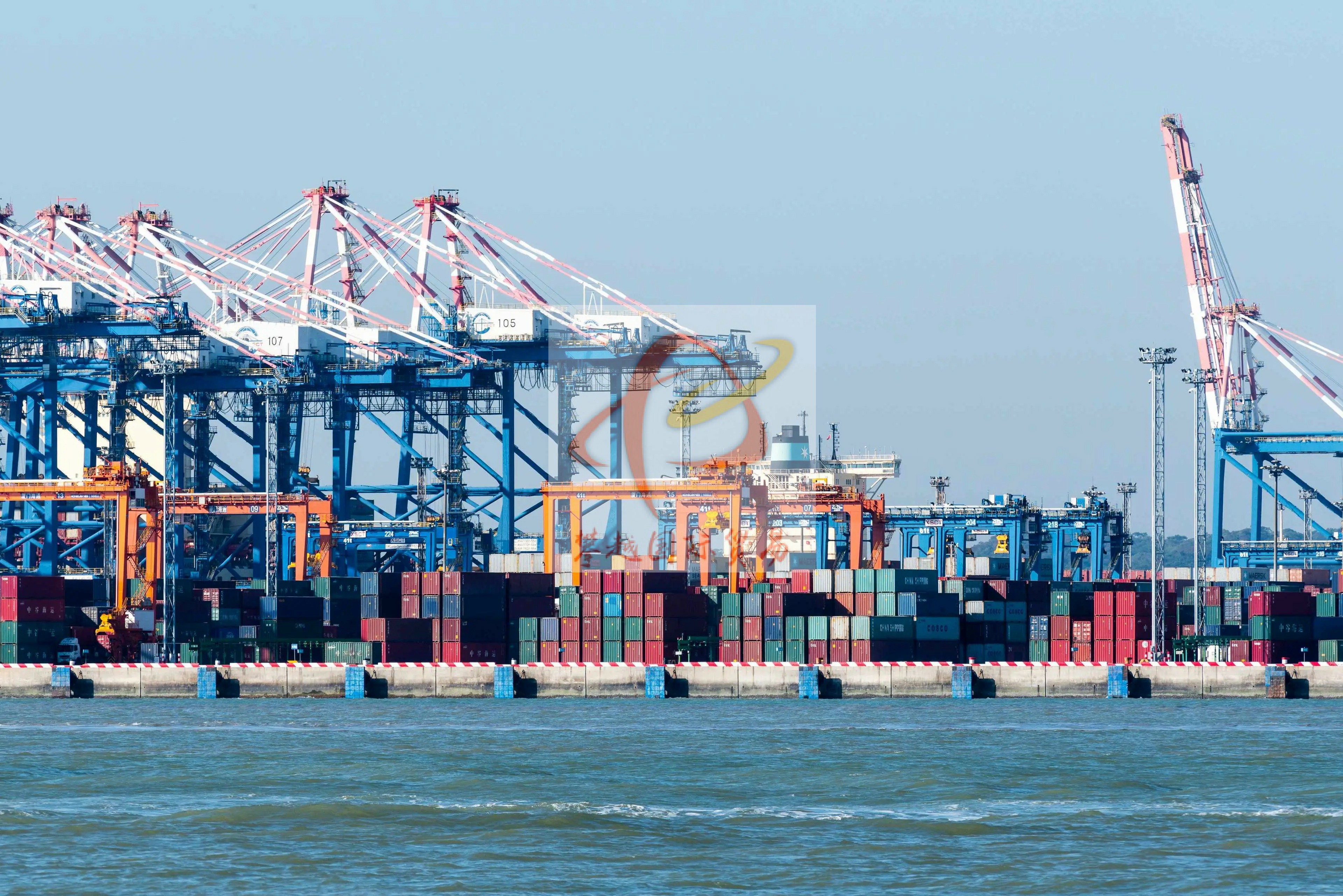
Case of Delayed Almond Export at Shenzhen Shekou Port
A Korean almond exporter once faced unnecessary delays at Shenzhen Shekou Port due to unauthenticated phytosanitary certificates and incomplete quality inspection reports. This oversight not only extended the clearance process by several days but also affected the exportable quantity as customs held the shipment pending document verification. This case highlights the importance of proactive compliance to avoid disruptions in entering the Chinese market.
Port Solutions for Nut Exporters
Shenzhen Shekou Port addresses these challenges with a suite of dedicated services for nut exporters: a “Agricultural Products Fast Lane” for shipments within typical export volumes, one-stop document pre-check services to validate origins and certifications, and 24-hour customs consultation hotlines. Each service is designed to reduce friction and align with China’s strict quality standards for imported nuts.
- “Agricultural Products Fast Lane” for shipments within typical export volumes
- one-stop document pre-check services to validate origins and certifications
- 24-hour customs consultation hotlines
Additionally, the port’s refrigerated cargo handling zone ensures the freshness of walnuts, a critical advantage for perishable agricultural goods.
China-Compliant Document Preparation for Korean Exporters
Efficiently exporting walnuts from Korea to China via Shenzhen Shekou Port requires preparing complete sets of China-compliant documents that meet both international standards and China’s specific regulatory requirements. These documents not only facilitate customs clearance but also build trust with Chinese importers.
- The Certificate of Origin (COO) is a foundational document issued by Korean authorities, such as the Korean Chamber of Commerce. Korean exporters must obtain this document, detailing the origin (e.g., Gangwon-do, a major walnut-producing region) and production process, to prove the product’s Korean source. This document is critical for China customs to verify eligibility for preferential tariffs under the China-Korea Free Trade Agreement, which is expected to reduce import costs for compliant walnut shipments.
- The Phytosanitary Certificate is mandatory for agricultural products like walnuts, issued by the Korean Quarantine and Inspection Authority. Korean exporters must ensure this certificate includes details of pest and disease checks, with bilingual Chinese-Korean translations. This certificate is strictly reviewed by Shenzhen Shekou Port customs to prevent the introduction of harmful organisms into China’s ecosystems.
- The quality inspection report and packing list are equally vital. The packing list must specify net weight, packing type (e.g., 1kg vacuum-sealed bags), and storage conditions to ensure compliance with China’s food safety policies and inventory transparency requirements.
Tailored Support for Nut Exporters in China Market Access
Beyond document preparation, Korean nut exporters need specialized support to navigate Shenzhen Shekou Port’s clearance process and China’s evolving regulatory landscape. Our end-to-end solutions address these needs.
- Source-Specific Document Audit is a free service covering comprehensive reviews of COO, Phytosanitary Certificate, and Quality Certificate. Our team checks for document authenticity, translation accuracy, and alignment with China’s latest agricultural import policies, delivering a detailed feedback report within a reasonable timeframe.
- Shenzhen Shekou Port Coordination leverages our direct relationships with port authorities to activate the Agricultural Products Fast Lane. We arrange pre-shipment document reviews, coordinate priority cargo inspection, and assign a dedicated port liaison to address urgent issues.
- Regulatory Updates provide tailored alerts on changes to China’s agricultural import policies, including updates to phytosanitary certificate formats and Shenzhen Shekou Port’s clearance procedures. Alerts are delivered via email or our client portal to keep exporters ahead of regulatory shifts.
Conclusion: Your Partner for Efficient China Market Entry
For Korean nut exporters targeting China, efficient market entry relies on source-specific, China-compliant documentation and strategic use of Shenzhen Shekou Port’s dedicated services. As a trusted partner, we specialize in supporting Korean exporters with end-to-end solutions, from document audit and regulatory updates to port coordination and customs consultation.
Ready to export your walnuts to China from Korea via Shenzhen Shekou Port? Contact our team today for a free, source-specific document checklist and a personalized consultation to address your unique compliance needs. Let us help you achieve seamless, efficient market entry into China.
Disclaimer: This article is for general information only. Specific China regulatory requirements for agricultural products may vary by shipment details, product grade, and source country. Overseas nut exporters from Korea should consult our professional team for personalized guidance based on their actual shipment requirements.
 One-on-One Service
 Fast Processing Cycle
 Twenty Years of Import & Export Experience
 A Large Number of Successful Cases
 Online Consultation